Fake News in Malaysia, A Growing Threat to Public Trust
Published 2026-06-08 · By myDewan
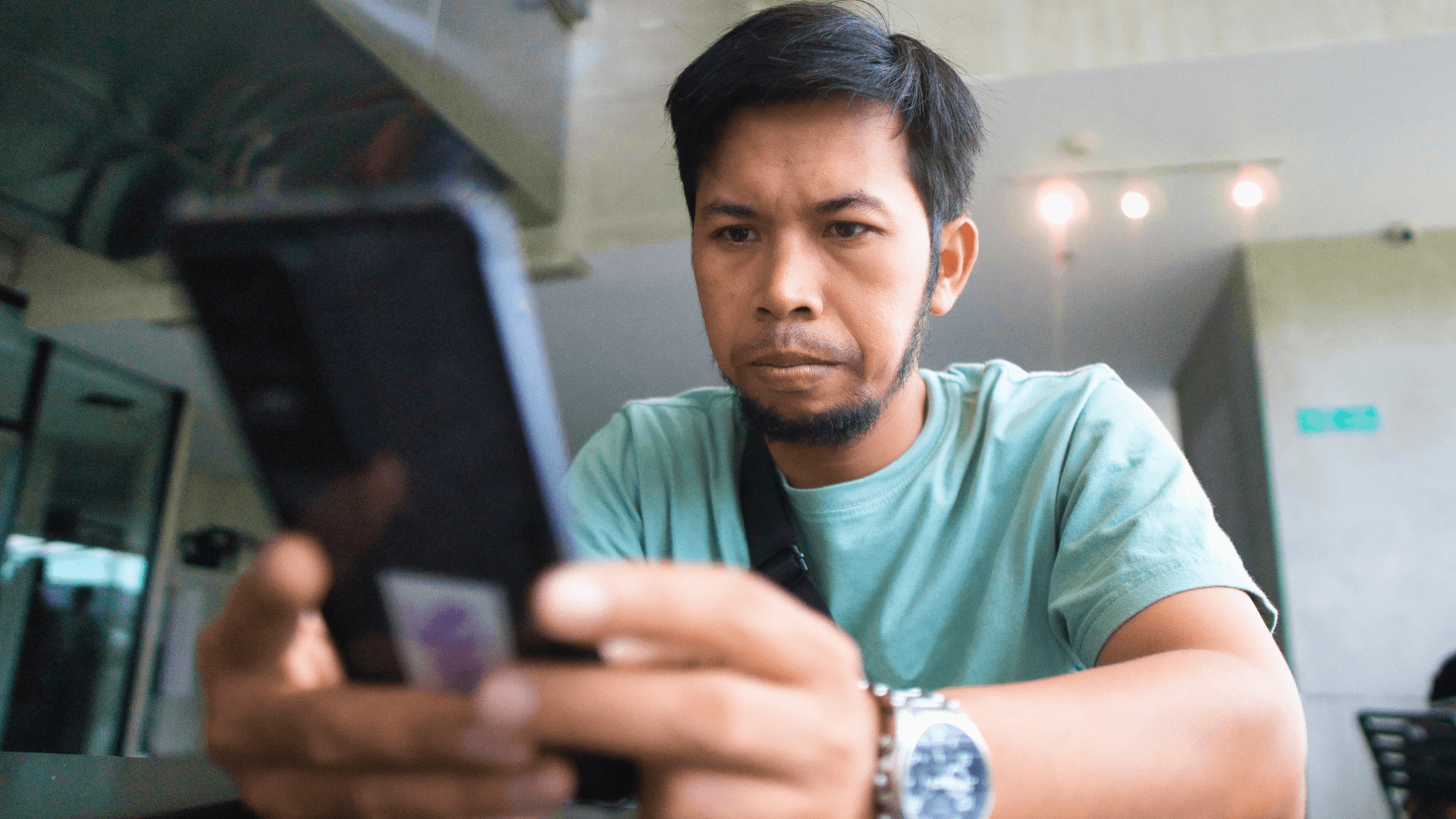
The rise of social media has fundamentally changed how information travels. News now reaches millions of people within seconds, often bypassing traditional gatekeepers such as journalists and editors. While information is more accessible than ever before, it has also created an environment where misinformation can spread at unprecedented speed.
Malaysia is not immune to this challenge. According to research conducted by the Global Risk Journalism Hub, Malaysia ranks third in Southeast Asia for the circulation of fake news, with 77 percent of respondents reporting exposure to misinformation. This is just behind Thailand at 82% and the Philippines at 88%. These figures highlight a growing concern that extends beyond social media and increasingly affects public institutions, political leaders, and the wider democratic process.
When a fake headline becomes a political issue
A recent example shows how quickly false information can spread. In January 2026, a doctored news image began circulating online claiming that Seputeh MP Teresa Kok had expressed support for halal certification for pork. It had been made to look like a genuine news story, with the logo of a major news organization on it. At first glance, it looked real. But the news was entirely false.
Teresa Kok denied she had made the statement in public, while the media outlet whose logo was misused confirmed the report was fake. But by the time these clarifications came out, the image had already gone viral on social media, drawing comments, reactions and public outrage.
Perception moves faster than reality
A fake headline, a misleading TikTok video, or an edited Facebook post can reach thousands of people before an official response is even drafted. By the time the truth catches up, public opinion may already have shifted. The challenge for MPs and their comms teams is no longer just countering misinformation. The trick is to catch it early enough that it does not build momentum.
Why MPs are often targeted
They have a very high public profile, so almost anything they say is noticed. The growth of political polarisation has also created an environment where sensational or controversial content is more likely to be shared unverified. At the same time, platforms like WhatsApp, TikTok, Facebook and X allow information to spread quickly in networks that are often hard to track and monitor.
Complicating matters further is the rise of artificial intelligence. Edited videos, manipulated images, synthetic voices, and fabricated news graphics can be generated within minutes and distributed across multiple platforms at the same time. Last year, there were also reports of AI-generated videos showing Malaysian politicians falsely endorsing investment schemes.
Cost of misinformation
The consequences of misinformation extend beyond a temporary social media controversy. When false narratives gain traction, communications teams often face a surge of media enquiries, public criticism, and pressure to respond. Valuable time and resources are diverted towards damage control rather than policy communication or community engagement.
Perhaps most concerning is the loss of narrative control. Once misinformation becomes part of the public conversation, correcting the record becomes significantly more challenging. Communications teams are no longer addressing a single false claim. They are attempting to reverse perceptions that may already have taken root.
In today's political environment, early detection has become essential. This is why monitoring online conversations has become a strategic necessity. In an environment where misinformation can emerge from virtually anywhere and spread across multiple platforms simultaneously, early detection provides the opportunity to respond before a false narrative becomes accepted as fact.
References
- sallehah, n.d. Fake news spreaders deserve heavier penalty. https://www.komunikasi.gov.my/awam/berita/233-kkd-news/23980-fake-news-spreaders-deserve-heavier-penalty
- The Star, 2026. MCMC opens eight probe papers over fake article implicating Seputeh MP. https://www.thestar.com.my/news/nation/2026/02/04/mcmc-opens-eight-probe-papers-over-fake-article-implicating-seputeh-mp
- BERNAMA, 2025. Police Detect Five Deepfake Videos Linked To Investment Scam. https://bernama.com/en/news.php?id=2401443